


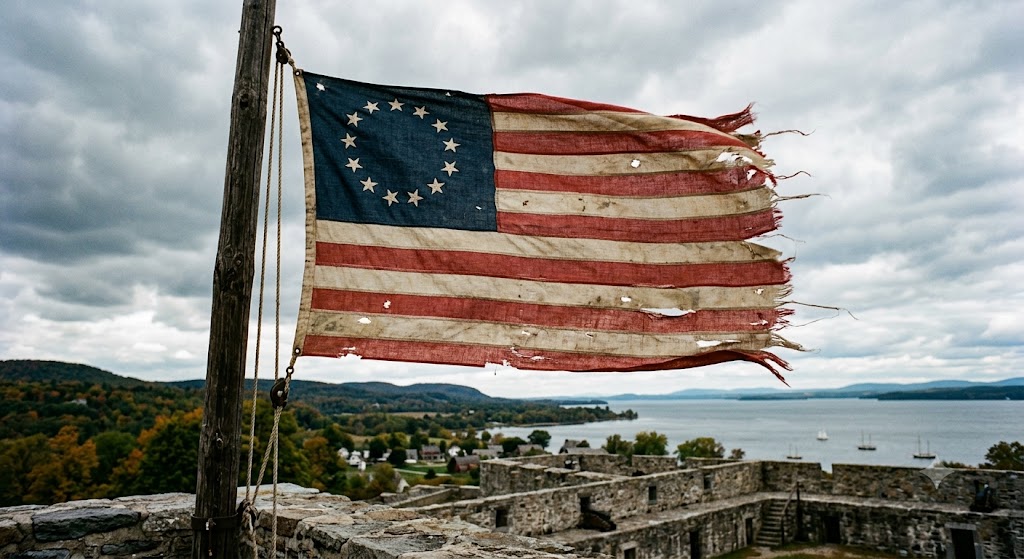
How to Dispose of Any Country Flag Safely and Respectfully
Flags are more than just pieces of fabric. They are powerful symbols of identity, history, and pride. Whether it’s the national flag of your homeland, a banner celebrating your heritage, or a decorative flag you fly in support of another nation, there comes a time when every flag reaches the end of its service life.
When a flag becomes faded, torn, or irreparably soiled, it’s no longer fit to fly. But throwing a flag, especially a national flag, directly into the household trash can feel deeply disrespectful. As an online flag retailer, one of the most common questions we get isn't just about how to fly a flag—it's about how to properly retire one.
Disposing of a flag respectfully isn’t just about following a set of rigid rules; it’s about acknowledging what that flag represents. Here is our guide to retiring any country’s flag with the dignity it deserves.
The Golden Rule: Dignity Above All
Before diving into specific methods, the most important principle is intention. The goal of a proper retirement ceremony, whether it's an elaborate event or a solemn moment alone, is to render the flag unrecognizable as a flag and then dispose of the materials cleanly. You are respectfully ending its service, not simply throwing away rubbish.
Method 1: The Ceremonial Burning (The Most Traditional Method)
For many nations, including the United States, burning is considered the preferred method of disposal. However, the key is that it must be done properly and safely.
- Preparation: Fold the flag respectfully in its traditional fold. If you don’t know the specific fold for that nation, a neat, dignified triangle fold is a universally respectful approach.
- The Fire: Build a fire large and hot enough to completely consume the fabric. A small, struggling fire is undignified.
- The Act: Place the folded flag on the fire. It is customary in many traditions to stand at attention, salute, or observe a moment of silence as the flag burns. Do not leave the fire unattended until the flag is completely consumed.
- Safety First: This is non-negotiable. Check local fire regulations and burn bans. Only burn on private property in a contained fire pit, away from structures and overhanging trees. Never burn synthetic fabrics like nylon or polyester—they will melt, drip, and emit hazardous, toxic fumes. Burning is strictly for natural fibers like cotton or wool.
Method 2: Respectful Burial
For flags made of synthetic materials that cannot be safely burned, burial is an equally dignified alternative.
- Preparation: Fold the flag carefully and place it in a sturdy, biodegradable box. A wooden box is an excellent choice, as it echoes the tradition of a casket.
- The Ceremony: Choose a location where the flag will not be disturbed. Dig a hole deep enough to prevent exposure. Lower the boxed flag into the ground. This can be a very personal moment—you might say a few words, share a memory, or simply observe a moment of quiet reflection before refilling the hole.
Method 3: The Cutting Method (Separation)
This method is particularly associated with the United Kingdom’s Union Flag, but the principle can be applied to any flag you feel deeply connected to. The idea is to separate the components so the item is no longer an official flag.
- The Process: Using sharp scissors, carefully cut the flag into its constituent parts. For the Union Flag, this means carefully separating the individual crosses of St. George, St. Andrew, and St. Patrick, leaving the blue field in pieces. The goal is to dismantle the symbol without it feeling like a violent act.
- Disposal: Once the fabric is in separate pieces, it is no longer a flag. The materials can then be disposed of cleanly via your standard household waste.
Method 4: Partner with an Official Organization
You don’t have to do it alone. Most countries have organizations that will retire flags for you.
Veterans and Service Organizations: In the U.S., the American Legion, Veterans of Foreign Wars (VFW), Boy Scouts, and Girl Scouts regularly perform formal flag retirement ceremonies. Simply drop off your worn flag at a local post or troop.
- Government Offices: Many municipal buildings, police stations, and fire departments have flag disposal boxes for U.S. flags.
- For International Flags: This can be tricky. A flag of another country should not be disposed of in a U.S. Flag Drop Box. The most respectful route is to contact that nation’s embassy or a local cultural society for their specific guidance.
A Crucial Note on National Differences
At our store, we help you celebrate flags from every corner of the globe, and it’s vital to know that codes of conduct vary widely.
- United States Flag Code: A formal, federal law (though not enforced with penalties) which specifies that a flag "in such condition that it is no longer a fitting emblem for display, should be destroyed in a dignified way, preferably by burning."
- United Kingdom: There is no official "Flag Code," but it is a universally held tradition that a flag should be destroyed "in a dignified way" when torn or soiled. A common method is cutting it up.
- Canada: Heritage Canada recommends that a worn flag be destroyed "in a dignified way" with private burning being the most common.
- Japan: The Hinomaru is treated with immense respect. There is a specific protocol called Yakuhin where a flag is retired by a priest and burned in a Shinto shrine ceremony.
- Brazil: Federal law states that old national flags must be collected by military units and cremated with a special ceremony on November 19th (Flag Day).
When in doubt about a specific country’s protocol, a quick search or a call to an embassy can prevent a well-intentioned act from becoming an accidental slight.
What Not to Do
To conclude, let’s make the "don'ts" clear. A respectful disposal never involves:
- Throwing a fully intact, recognizable flag directly into a trash bin.
- Letting the flag touch the ground during the disposal process.
- Destroying a flag as a form of protest.
- Burning a flag haphazardly without the proper fire safety precautions.
Owning a flag comes with the unspoken responsibility of one day retiring it with honor. By following these guidelines, you uphold the dignity of the nations and values that flag represents. It’s a final, quiet act of respect for a symbol that has faithfully served you.
Do you have a specific ceremonial tradition for retiring a flag in your family or culture? We’d love to hear about it in the comments below.
Shop our collection of high-quality, durable flags made to fly with pride, season after season. And when the time comes, we’ll be here to help you retire it with the same respect with which you flew it.